
Revolutionizing Office Design with AI
· Technology · By Designo Interiors
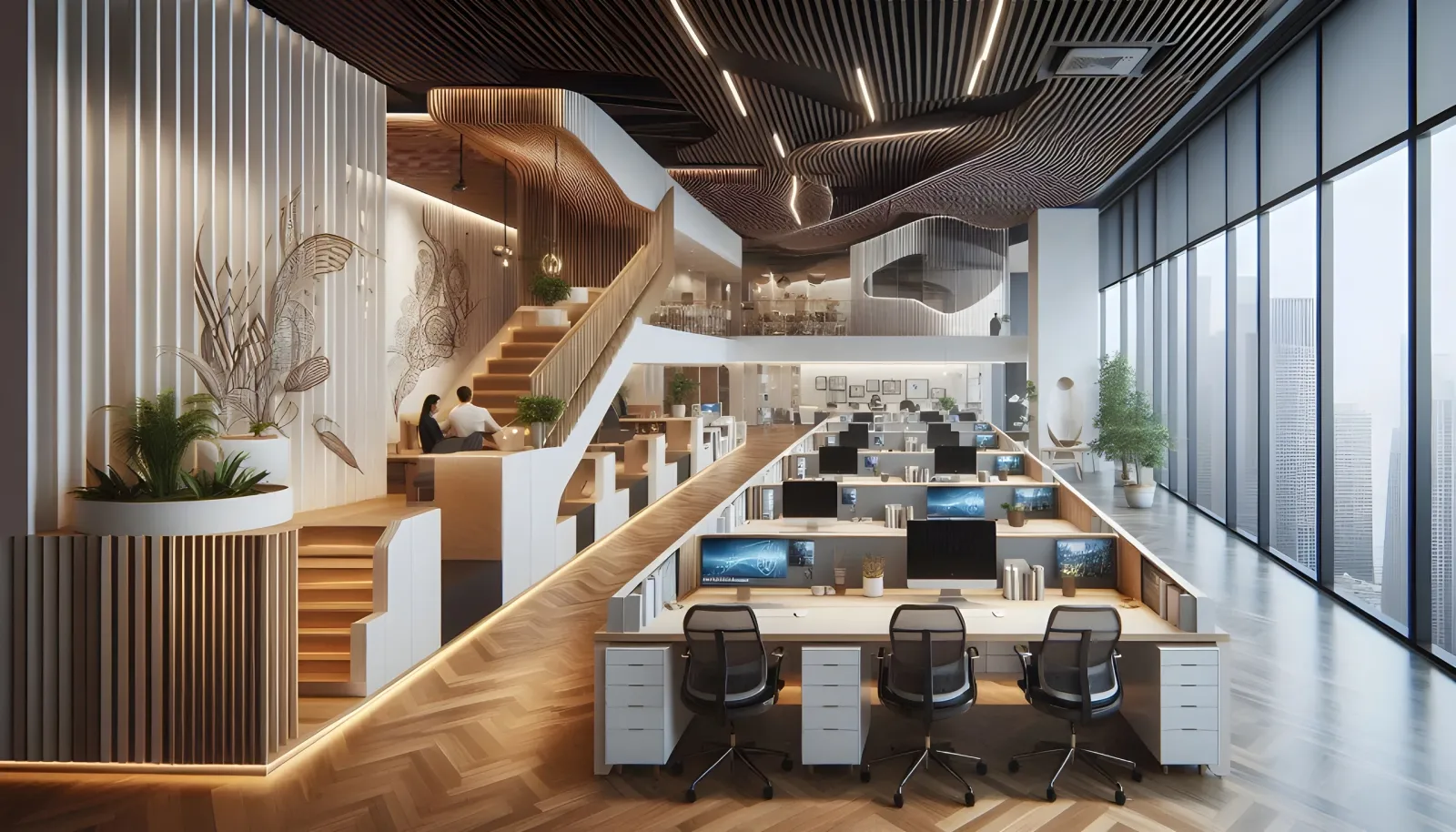
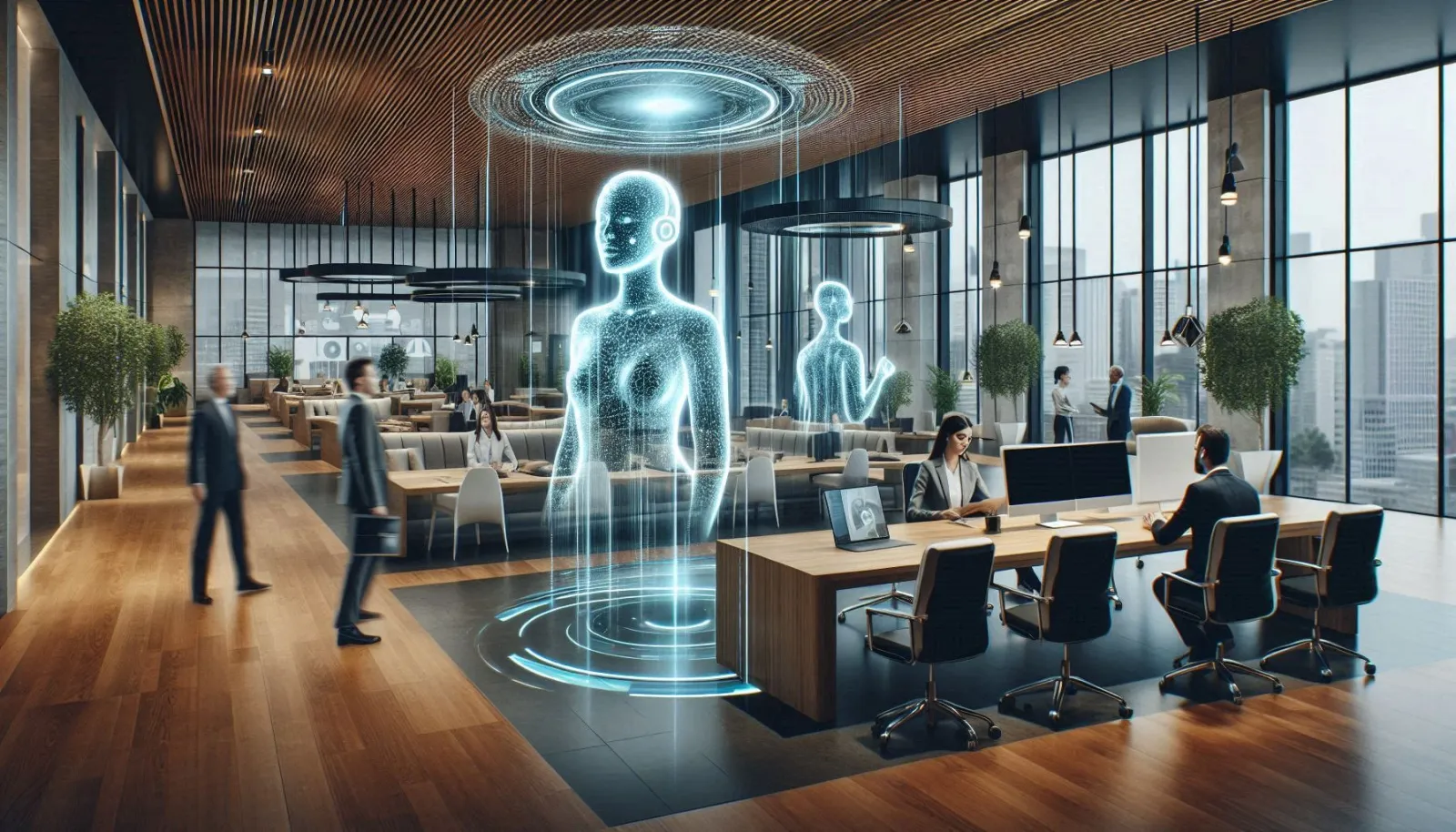
In the rapidly evolving landscape of office design, Artificial Intelligence (AI) is making significant strides, offering innovative solutions that enhance efficiency, comfort, and aesthetics. While Designo Interiors is exploring the potential of AI, this blog delves into a compelling case study of TechVista Solutions, a forward-thinking company that successfully integrated AI into their office design process. This case study highlights the transformative impact of AI on workspace design and provides insights into how such technology can revolutionize the industry.
The Challenge
TechVista Solutions, a leading tech firm based in Bangalore, faced several challenges in their office space:
- Rapid Growth: With a rapidly expanding workforce, TechVista Solutions needed to optimize their existing office space to accommodate more employees without compromising on comfort or productivity.
- Employee Satisfaction: The company wanted to create a work environment that would enhance employee well-being and satisfaction, reducing turnover and attracting top talent.
- Operational Efficiency: Streamlining operations and improving space utilization were key goals to ensure that every square foot of their office was used effectively.
The Solution: Integrating AI in Office Design
To address these challenges, TechVista Solutions partnered with an AI-driven design firm to reimagine their office space. Here’s how AI played a crucial role in transforming their workspace:
1. Smart Space Planning
AI was used to analyze the office layout and employee movement patterns. Key strategies included:
- Predictive Analytics: AI algorithms predicted the best layout configurations based on employee interactions and workflow requirements, ensuring optimal space utilization.
- Dynamic Space Allocation: The system continuously monitored space usage and provided real-time recommendations for reallocating underused areas for collaborative zones or quiet workspaces.
2. Customized Furniture Solutions
The AI-driven design firm utilized AI to create personalized furniture solutions:
- Adaptive Ergonomics: AI-powered desks and chairs adjusted in real-time to the user’s body posture and preferences, promoting better health and comfort.
- Modular Furniture: Smart, modular furniture allowed for flexible reconfiguration of workspaces to meet changing needs without the need for new furniture purchases.
3. Enhanced Employee Experience
AI significantly improved the overall employee experience at TechVista Solutions:
- Personalized Workstations: AI-enabled workstations allowed employees to control their environment, including lighting, temperature, and ergonomic settings, via a smartphone app.
- Health Monitoring: Wearable AI devices monitored employees' health metrics, encouraging regular breaks and physical activity to promote well-being.
4. Operational Efficiency
AI contributed to streamlining operations and reducing costs:
- Energy Management: AI-controlled lighting and HVAC systems adjusted based on occupancy and natural light levels, significantly reducing energy consumption.
- Resource Optimization: Smart sensors tracked the usage of office supplies and equipment, ensuring timely restocking and maintenance, thereby reducing waste and downtime.
The Results
The integration of AI into TechVista Solutions’ office design yielded impressive results:
- Increased Productivity: The optimized office layout and personalized workstations led to a 20% increase in overall productivity.
- Enhanced Employee Satisfaction: Employee satisfaction scores improved by 30%, with staff reporting greater comfort and well-being.
- Cost Savings: The company achieved a 15% reduction in operational costs due to efficient energy management and optimized resource utilization.
- Scalability: The flexible, AI-driven design allowed TechVista Solutions to seamlessly accommodate a growing workforce without the need for additional office space.
Lessons Learned
TechVista Solutions’ success story offers valuable lessons for businesses considering AI in office design:
- Data-Driven Decisions: Leveraging AI to analyze data and predict optimal configurations can lead to more effective and efficient office layouts.
- Employee-Centric Design: AI can help create personalized and adaptive workspaces that enhance employee satisfaction and productivity.
- Sustainability and Efficiency: AI-driven energy and resource management systems contribute to significant cost savings and environmental benefits.
Conclusion
The case of TechVista Solutions demonstrates the transformative potential of AI in office design. While Designo Interiors is exploring the integration of AI into our offerings, this case study provides a glimpse into the future of smart, efficient, and adaptive workspaces. As businesses in India continue to evolve, embracing innovative technologies like AI can offer a competitive edge, fostering environments that support growth, productivity, and employee well-being.
More on this: Workplace technology