
How IoT is Transforming Commercial Spaces into Smart Spaces
· Technology · By Designo Interiors
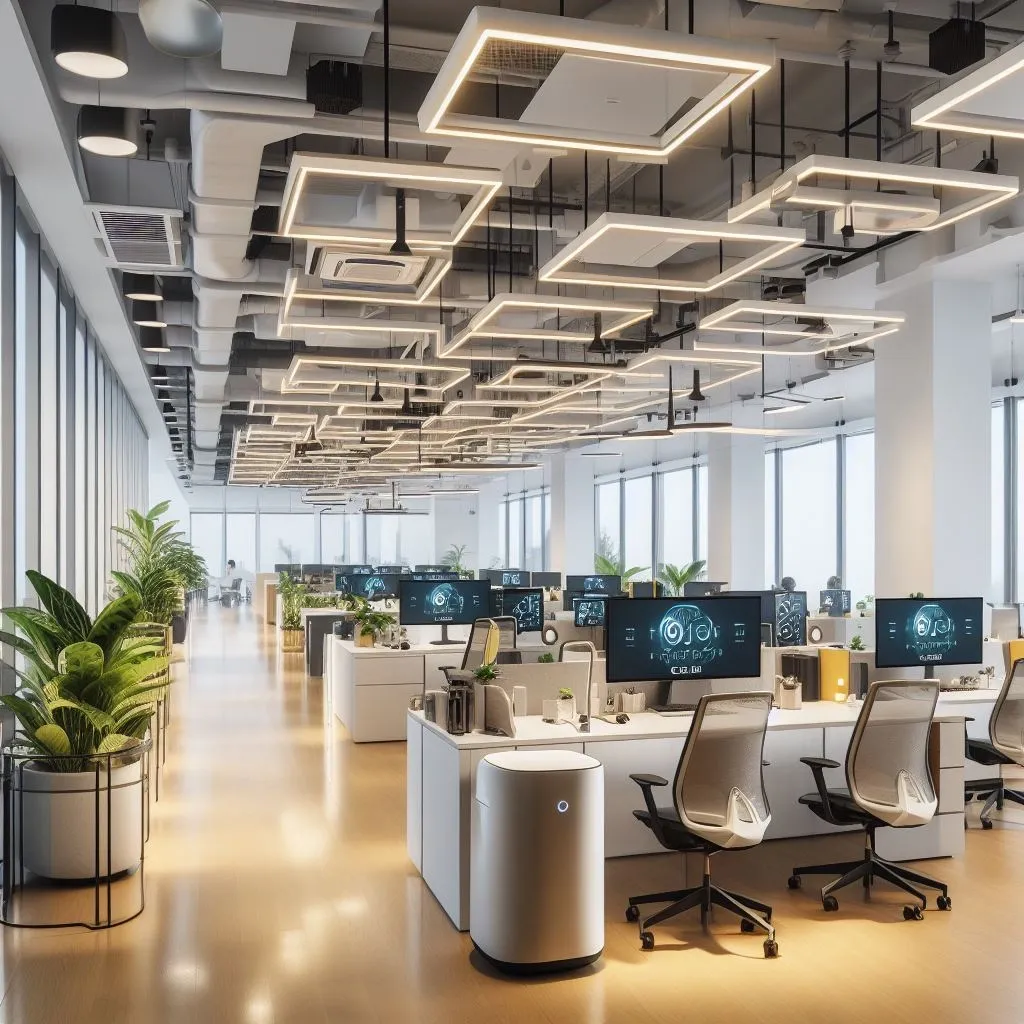
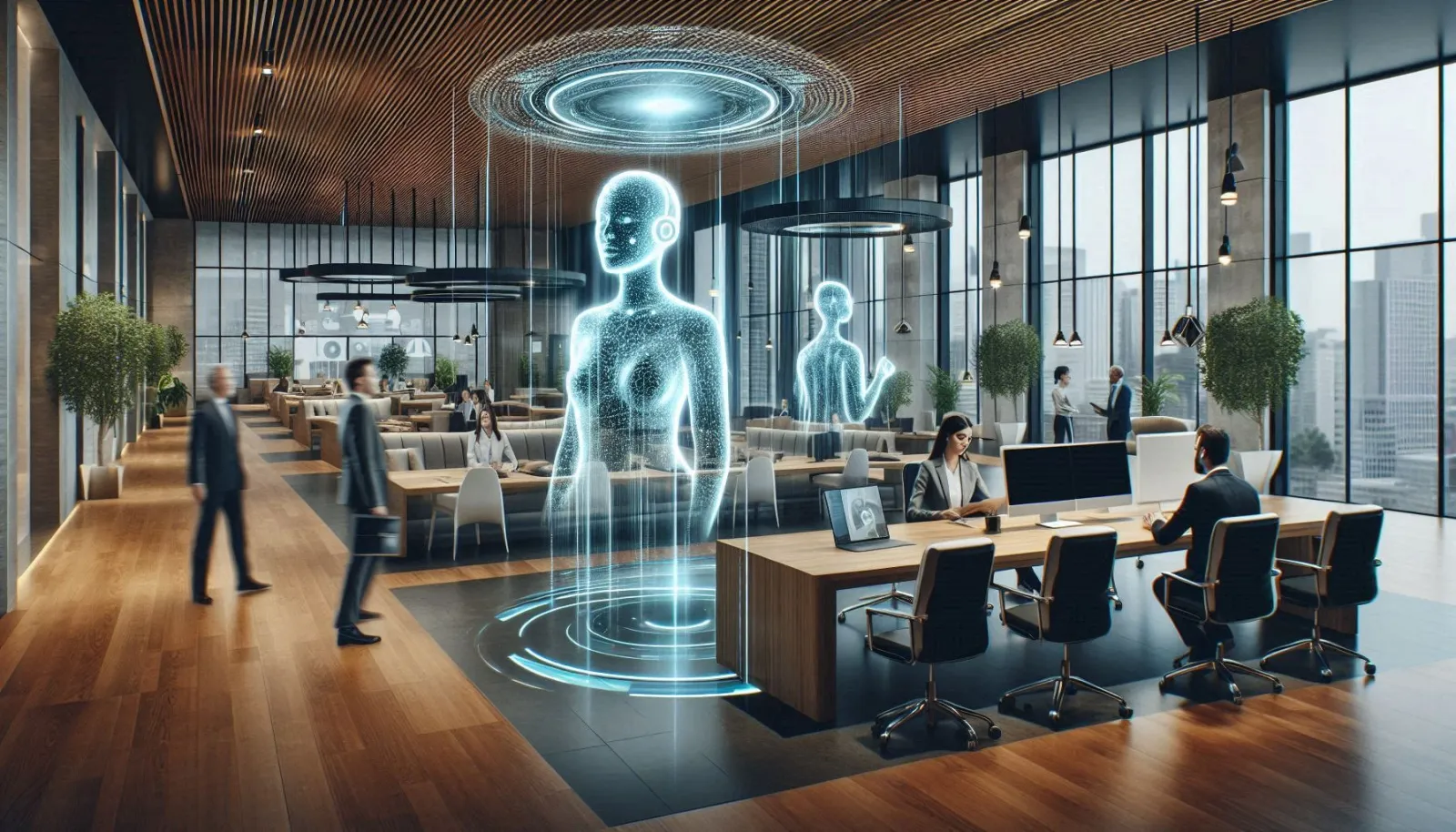
At Designo Interiors, we believe that the future of commercial interior design lies in technology. With the rise of the Internet of Things (IoT), we are now able to create spaces that are more adaptable, responsive, and efficient than ever before.
IoT in Commercial Interior Design
IoT is a network of physical objects that are embedded with sensors, software, and other technologies to connect and exchange data with other devices and systems over the internet. In the context of commercial interior design, IoT can be used to connect various elements such as lighting, climate control, security systems, and even furniture. This allows us to create spaces that are more responsive to the needs of the occupants and can be managed more efficiently.
Here are some examples of how IoT is transforming commercial spaces:
- Lighting: IoT-enabled lighting systems can be adjusted to automatically change the brightness and color temperature based on the time of day, occupancy levels, and even the weather outside. This can help to create a more comfortable and productive environment for occupants, while also saving energy.
- Climate control: IoT-enabled climate control systems can be programmed to learn the occupancy patterns and preferences of the occupants and adjust the temperature and humidity accordingly. This can help to reduce energy consumption and create a more comfortable environment for everyone. For example, a smart thermostat can be programmed to learn when occupants are typically home and away, and then adjust the temperature accordingly.
- Security: IoT-enabled security systems can provide real-time monitoring and alerts, as well as remote access and control. This can help to improve the safety and security of commercial spaces. For example, a smart security system can be used to remotely lock and unlock doors, or to receive alerts if someone tries to enter a building without authorization.
- Furniture: IoT-enabled furniture can provide a variety of benefits, such as ergonomic adjustments, built-in sensors, and even power outlets. For example, a smart desk can be adjusted to the ideal height for each user, and may even have built-in sensors to track posture and movement.
How Data from IoT Devices Can Be Used for Running a Company
The data collected from IoT devices can be used in a variety of ways to improve the operation of a company. For example:
- Occupancy data: Occupancy data can be used to optimize space planning and resource allocation. For example, if a company knows which areas of its office are most heavily used, it can allocate more resources to those areas.
- Energy consumption data: Energy consumption data can be used to identify areas for improvement and reduce costs. For example, if a company knows that a particular machine is using a lot of energy, it can look for ways to make that machine more efficient.
- Security data: Security data can be used to improve security procedures and reduce the risk of incidents. For example, if a company knows that there has been a breach in its security system, it can take steps to prevent it from happening again.
Benefits of Using IoT in Commercial Interior Design
There are many benefits to using IoT in commercial interior design, including:
- Increased efficiency: IoT-enabled systems can automate many tasks that are currently performed manually, freeing up staff to focus on more important tasks.
- Reduced costs: IoT can help to reduce energy consumption, security costs, and other operational costs.
- Improved employee satisfaction and productivity: IoT can help to create a more comfortable and productive environment for employees.
- Enhanced customer experience: IoT can be used to provide customers with a more personalized and engaging experience.
Here are some specific examples of how IoT-enabled digital signage is being used today:
- Retail stores: IoT-enabled digital signage is being used in retail stores to display product recommendations, wayfinding directions, and promotional offers. For example, a retail store might use IoT-enabled digital signage to display a personalized greeting to customers as they enter the store, or to recommend products based on the customer's shopping history.
- Airports: IoT-enabled digital signage is being used in airports to display real-time flight information, gate assignments, and security wait times. For example, an airport might use IoT-enabled digital signage to display a personalized itinerary to each passenger, or to recommend restaurants and shops based on the passenger's layover time.
- Office buildings: IoT-enabled digital signage is being used in office buildings to display employee directories, meeting schedules, and company announcements. For example, an office building might use IoT-enabled digital signage to display a personalized welcome message to each employee as they arrive at work, or to remind employees of upcoming meetings and events.
The future of commercial interior design is bright, thanks to the power of IoT. By embracing technology, we can create spaces that are more adaptable, responsive, efficient, and sustainable.
If you are a business owner in Mumbai and are looking for a commercial interior designer who can help you to embrace the future of IoT, contact Designo Interiors today. We can help you to create a space that is more adaptable, responsive, efficient, and sustainable.
More on this: Workplace technology