
Reviving Mumbai: Industrial Spaces Become Modern Interiors
· Workplace · By Designo Interiors
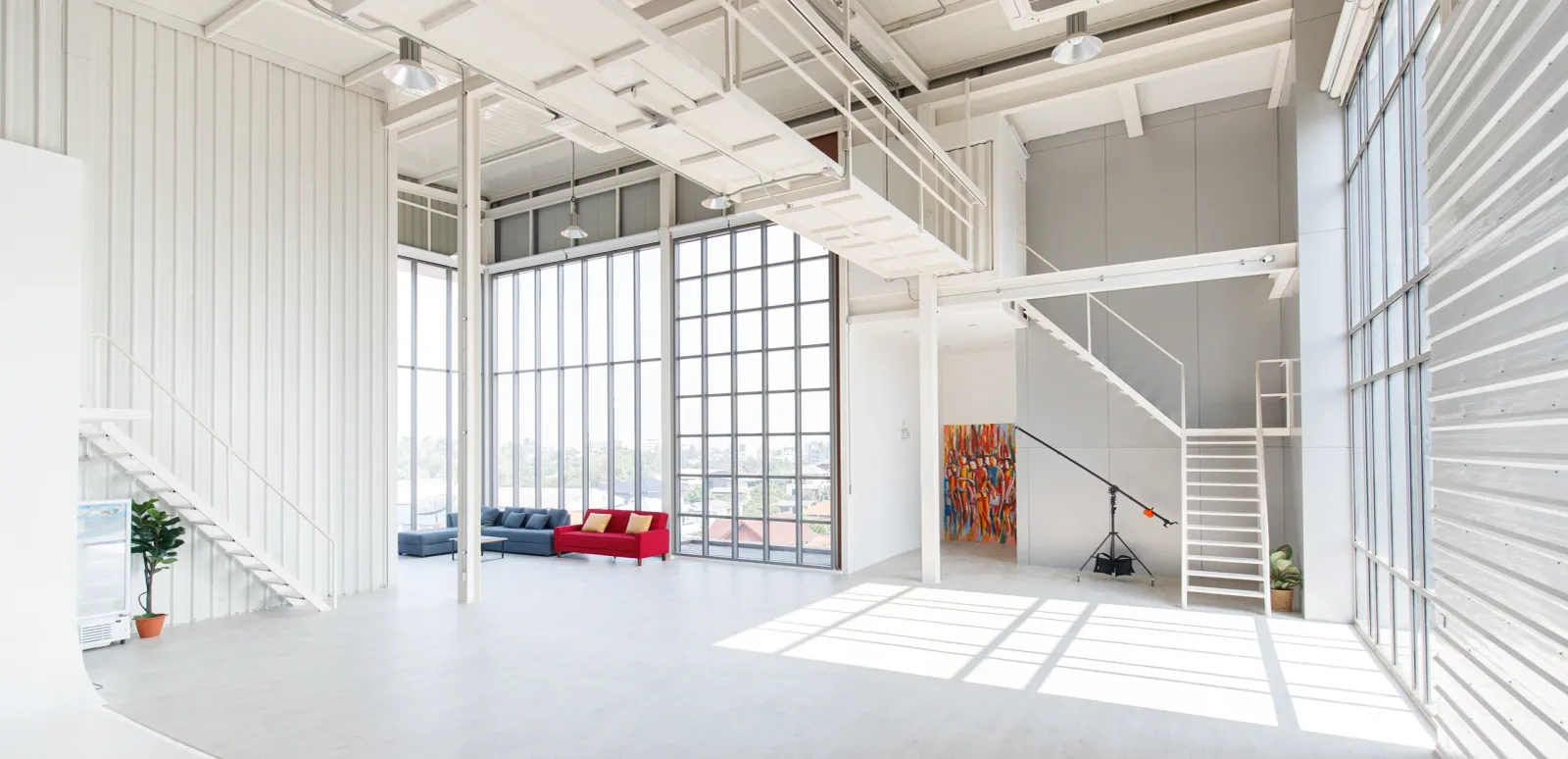
In a city like Mumbai, where space is at a premium and the demand for commercial interiors is on the rise, adaptive reuse has emerged as a creative solution to address these challenges. Adaptive reuse refers to the process of repurposing existing industrial structures into functional, modern commercial spaces, such as offices, retail outlets, and hospitality venues. This approach not only preserves the unique character of these spaces but also contributes to sustainable urban development. In this blog post, we'll explore Mumbai's growing trend of adaptive reuse and discuss how commercial interior designers at Designo Interiors are transforming industrial spaces while maintaining their original charm.
The Benefits of Adaptive Reuse in Mumbai
- Sustainability: By repurposing existing structures, adaptive reuse reduces the environmental impact associated with demolition and new construction, conserving resources, and minimizing waste.
- Cost-effectiveness: Adaptive reuse can be more cost-effective than building from scratch, as it utilizes existing infrastructure and avoids land acquisition costs.
- Heritage preservation: Adaptive reuse allows Mumbai to retain its architectural heritage, breathing new life into historic structures while preserving their unique character.
- Urban revitalization: Transforming industrial spaces into vibrant commercial interiors can stimulate economic growth and contribute to the revitalization of Mumbai's urban landscape.
Design Strategies for Successful Adaptive Reuse Projects
- Assess the structure: Before embarking on an adaptive reuse project, it is essential to conduct a thorough assessment of the existing structure, determining its stability, and identifying any potential hazards or limitations.
- Retain original features: Embrace the industrial aesthetic by retaining and restoring original features, such as exposed brick walls, concrete floors, and steel beams. These elements can add character and authenticity to the commercial space.
- Integrate modern amenities: While preserving the original character of the space is important, it's also crucial to ensure that the new commercial interior meets modern standards. This may involve upgrading the electrical and plumbing systems, improving insulation and ventilation, and incorporating technology infrastructure.
- Optimize natural light: Industrial spaces often have large windows, skylights, or other sources of natural light. Capitalize on these features to create a bright, airy, and inviting commercial environment.
- Create flexible spaces: Design commercial interiors that can adapt to the changing needs of the occupants, with open floor plans and modular furniture that allow for customization and reconfiguration.
- Ensure accessibility: Incorporate design elements that promote accessibility for all users, such as ramps, lifts, and wide doorways, to create an inclusive commercial environment.
Adaptive reuse is a promising trend in Mumbai's commercial interior design landscape, offering sustainable, cost-effective, and heritage-preserving solutions. By repurposing industrial spaces into modern commercial interiors, Mumbai-based businesses can benefit from unique, character-rich environments that celebrate the city's architectural history. At Designo Interiors, our team of skilled commercial interior designers is experienced in transforming industrial spaces into functional and visually stunning commercial interiors. To learn more about our adaptive reuse projects and explore our portfolio, visit www.designointeriors.com.
More on this: Turnkey office fit-out