
Incorporating Indian Culture and Heritage into Commercial Design
· Workplace · By Designo Interiors
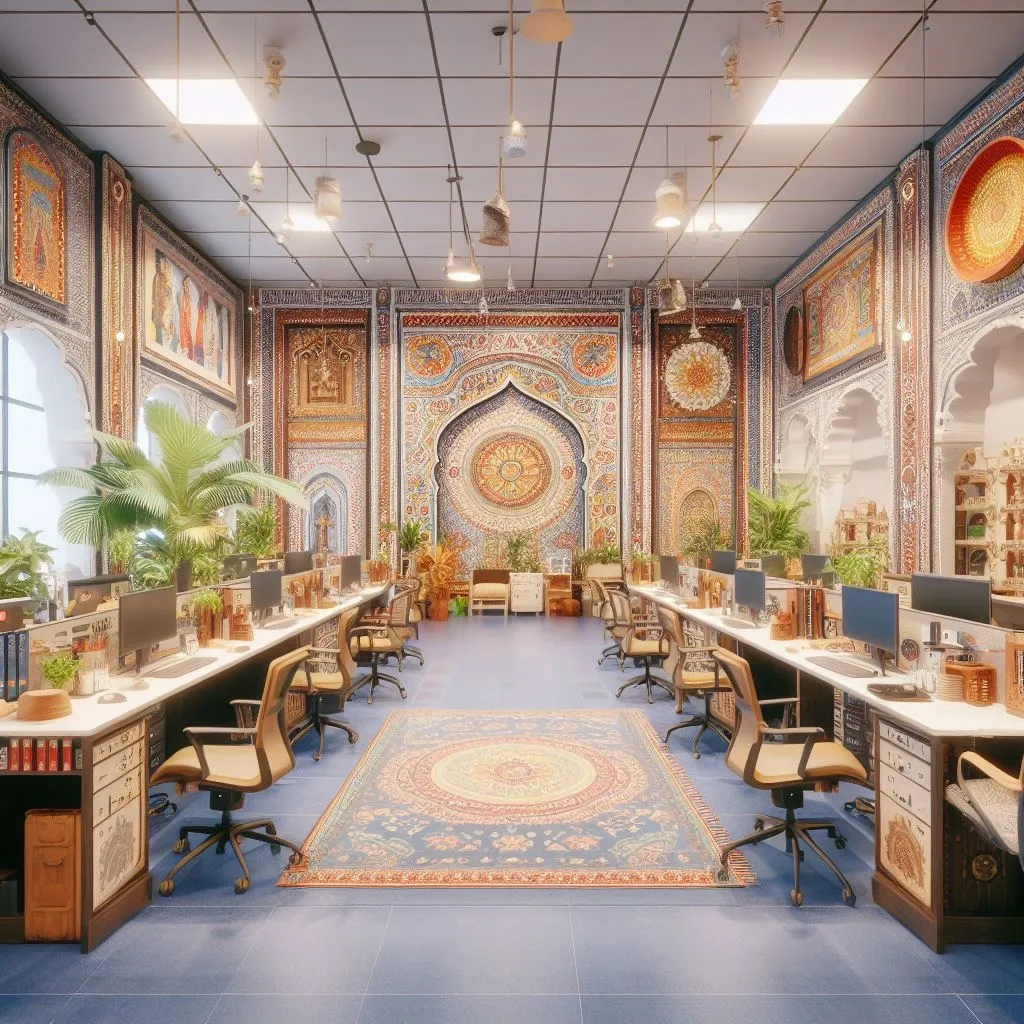
Mumbai is a city with a rich and diverse cultural heritage. From its ancient temples and palaces to its vibrant Bollywood films and street art, Indian culture is everywhere in this bustling metropolis. Commercial interior designers in Mumbai can take advantage of this rich cultural heritage to create unique and authentic commercial spaces that appeal to both local and international clients.
Incorporating Indian culture and heritage into commercial design can also help to create a more welcoming and inclusive environment for employees and customers alike. It can show that the business values Indian culture and that it is committed to creating a space where everyone feels comfortable and respected.
Here are a few tips for incorporating Indian culture and heritage into commercial design in Mumbai:
- Use traditional Indian materials and patterns. Traditional Indian materials such as wood, stone, and metal can be used to create beautiful and durable commercial spaces. Indian patterns, such as paisley and floral motifs, can also be used to add a touch of elegance and sophistication to a design.
For example, a commercial interior designer could use traditional Indian wood carving techniques to create a unique and eye-catching reception desk for a hotel lobby. Or, they could use Indian floral patterns to create a colorful and inviting wallpaper design for a restaurant.
- Incorporate Indian art and artifacts. Indian art and artifacts can be used to create a sense of place and identity in a commercial space. For example, a traditional Indian painting could be hung on the wall of an office building to create a focal point and to add a touch of Indian culture to the space. Or, a collection of Indian brass statues could be placed on the reception desk of a hotel to welcome guests and to give them a sense of the hotel's Indian heritage.
When incorporating Indian art and artifacts into a commercial design, it is important to choose pieces that are appropriate for the space and that reflect the brand's image. For example, a commercial interior designer might choose to incorporate traditional Indian folk art into the design of a restaurant that serves Indian cuisine. But they might choose to incorporate more contemporary Indian art into the design of a tech startup office.
- Choose colors and finishes that reflect Indian culture. Indian culture is known for its use of bold and vibrant colors. Commercial interior designers can use these colors to create a cheerful and inviting atmosphere in their designs. They can also use traditional Indian finishes, such as gold and silver leaf, to add a touch of luxury and opulence.
For example, a commercial interior designer might choose to paint the walls of a restaurant a bright shade of yellow or orange to create a warm and welcoming atmosphere. Or, they might use gold leaf accents in the design of a hotel lobby to add a touch of luxury.
Here are a few examples of how commercial interior designers have incorporated Indian culture and heritage into their projects in Mumbai:
- The Oberoi Mumbai: This iconic hotel in Mumbai features a blend of traditional Indian and contemporary design elements. The hotel's lobby features a grand staircase with marble columns and intricate carvings. The hotel's rooms and suites are decorated with traditional Indian furnishings and artwork.
- The Godrej One office building: This office building in Mumbai features a modern design with traditional Indian elements. The building's facade is made of glass and steel, but it also features traditional Indian latticework. The building's lobby features a large mural depicting the Indian goddess Lakshmi.
- The Saffron restaurant: This restaurant in Mumbai serves modern Indian cuisine in a stylish and sophisticated setting. The restaurant's interior features a blend of traditional Indian and contemporary design elements. The restaurant's walls are decorated with traditional Indian murals, and the furniture is made of traditional Indian materials such as wood and metal.
By following the tips above, commercial interior designers in Mumbai can create unique and authentic commercial spaces that incorporate Indian culture and heritage. This can appeal to both local and international clients, and it can also help to create a more welcoming and inclusive environment for employees and customers alike.
More on this: Turnkey office fit-out