
20 most sustainable buildings in the world
· Sustainability · By Designo Interiors
Today architectural firms from across the globe are pursuing Eco-friendly operational and constructional techniques. The growing awareness on the impact of construction on climate change is not the only reason why the rising number of sustainable practices in architecture are accrued from but it is because the buildings meet the sustainability standards reduction in huge cost of construction. Conserving natural resources by minimizing the use of water, increasing energy efficiency, lowering the material wastage are the aim of sustainable construction which thereby creates a refreshing and healthy environment to live in. Sustainable architectural practices are not just being adopted by new buildings but in fact existing buildings are also revamping their structures to become energy-efficient. Let us bring to you the 20 most sustainable buildings in the world.
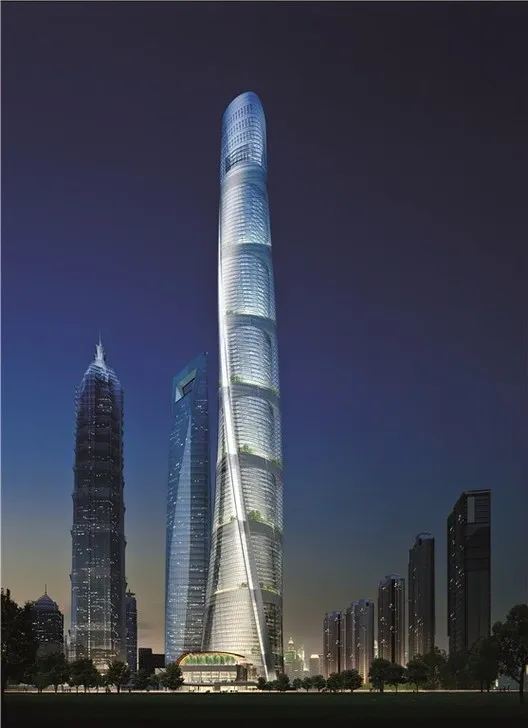
1. The Shanghai Tower, China
The Shanghai Tower in China is Shell Platinum and LEED Core certified. The Shanghai Tower is the second tallest building in the world and it was build using locally sourced materials, including recycled materials.
2. Bullitt Center, Washington
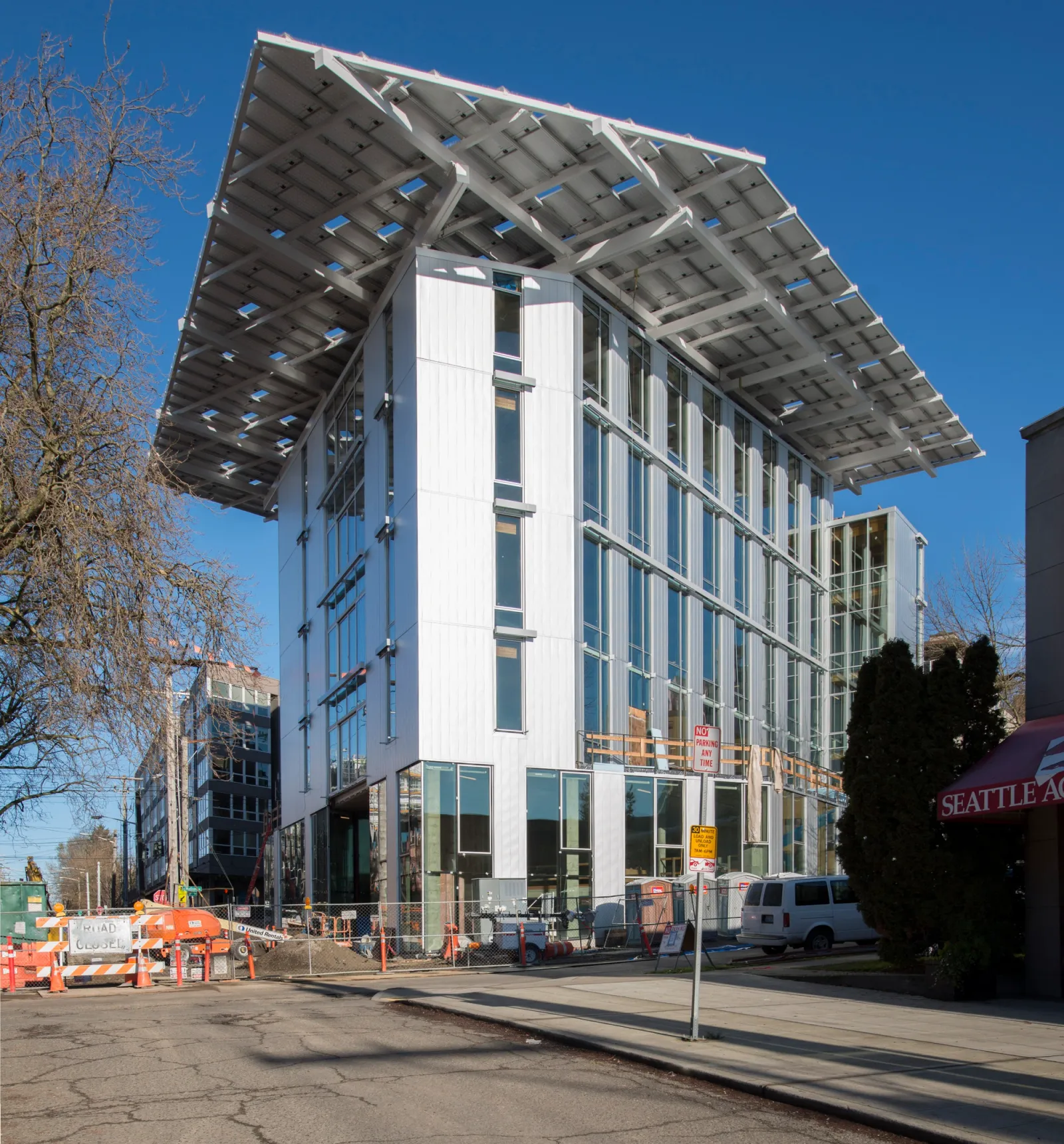
The Seattle building which is the first of its kind building to be awarded the Living Building Certification from Living Building Challenge is a structure that received a lot of attention in the Washington state. The supporting system of this building which comprises of 575 solar panels generates sixty percent of energy the building requires. This building also has rainwater harvesting systems in place.
3. Council House 2, Australia
The first building that received the Six Green Star Rating was the Council House 2 building in Melbourne, Australia. This building comprises of gas-fired cogeneration plants that reduce carbon emissions, solar panels, and advanced lighting technology.
4. DPR Construction's Phoenix Regional Office, Arizona
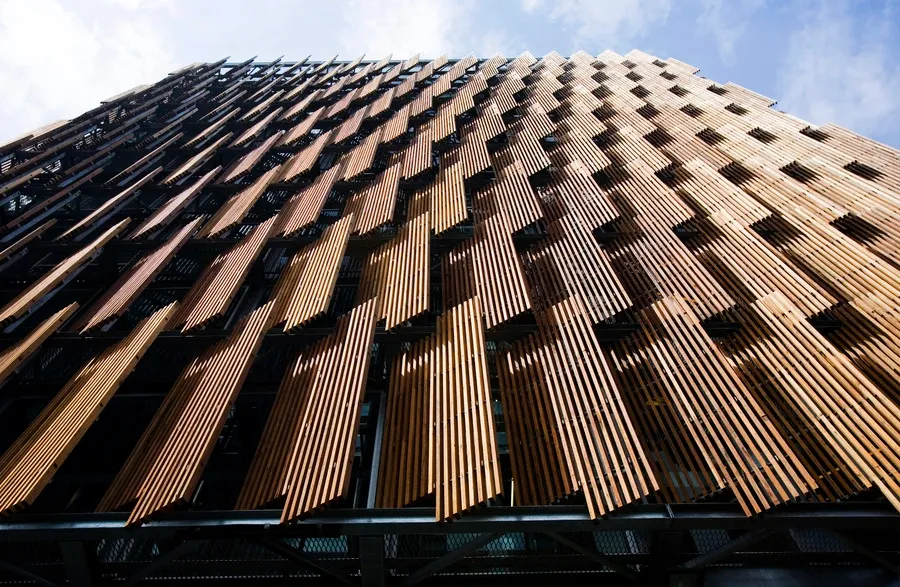
The Phoenix Regional office in Arizona has received awards like the Net Zero Energy Building certification and the LEED-NC platinum certification. The building is loaded with high-tech features like shut-off switches that help to turn off the energy supply when there is no office staffs present in the building.
5. The Change Initiative Building, UAE
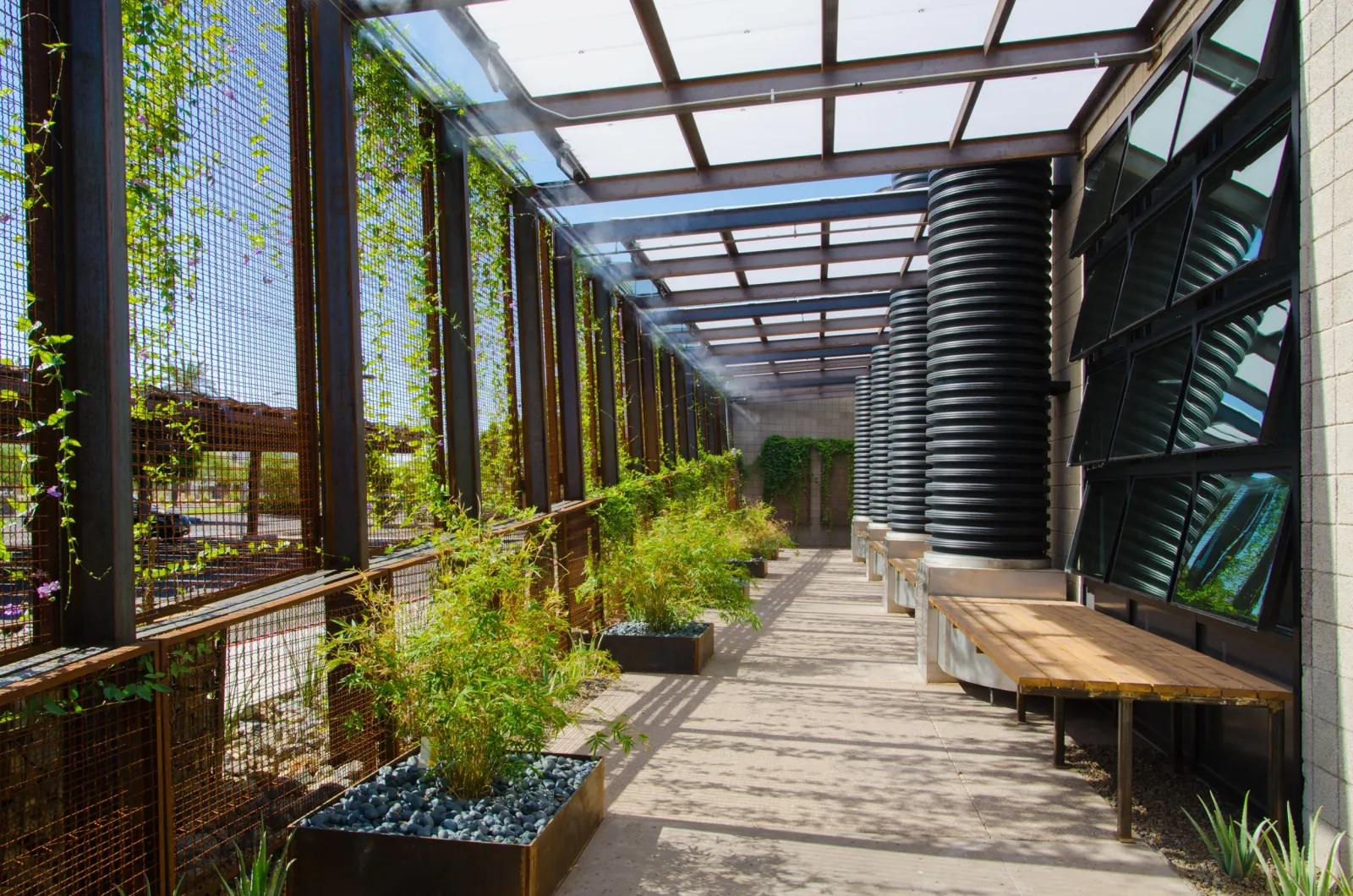
The shopping complex Change Initiative Building located in the United Arab Emirates has adopted green technologies like heat reflective wall paint, solar panels, and recycled materials for indoor construction.
6. The Crystal, UK
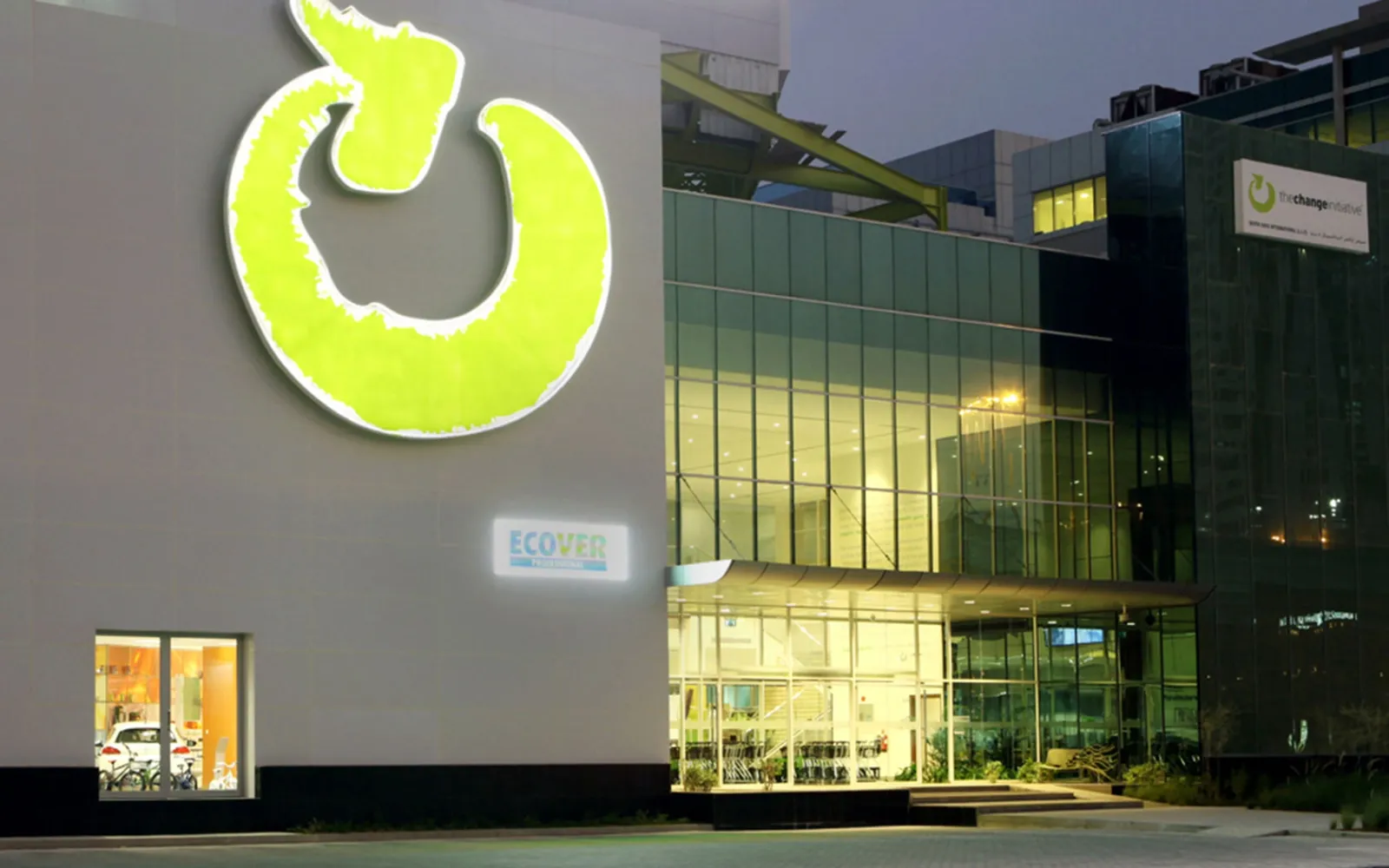
The Crystal in the United Kingdom tops the LEED Platinum which is equipped with 90% water self-sufficient, solar and thermal panels and which also has high-performance insulation technologies.
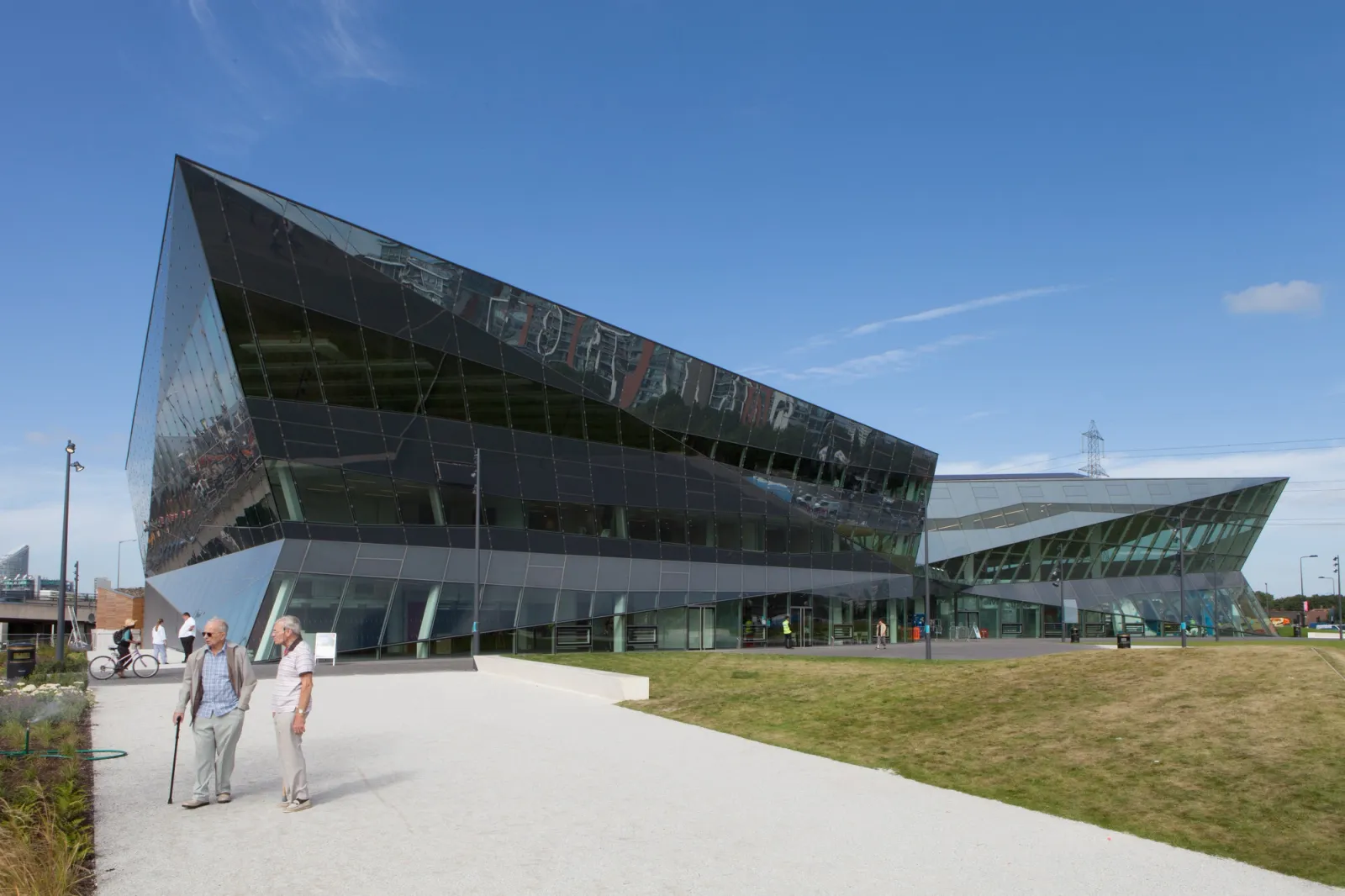
7. Powerhouse Kjorbo, Norway
This construction is an epitome of how existing buildings can be refurbished to become self-sustainable and its 100% energy efficiency aims to have zero carbon footprint by 2070.
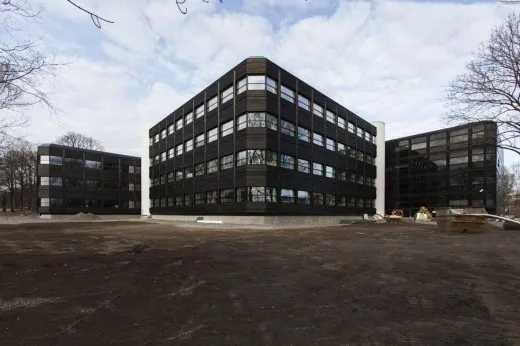
8. Vanke Center, China
The Vanke Center located in China is a tsunami proof building which also has a LEED platinum certification. The architectural design of this building makes the maximum use of natural ventilation and which also includes a landscape garden.
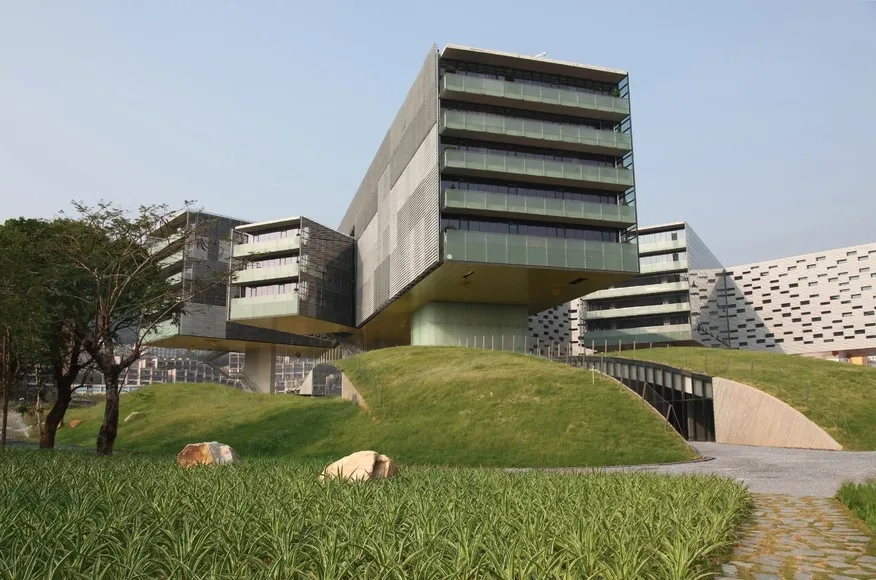
9. CIS Tower, UK
The CIS tower in the UK is a self-sustainable skyscraper located in the United Kingdom whose facade is covered with solar cells generating over 1,80,000 kWh of electricity.
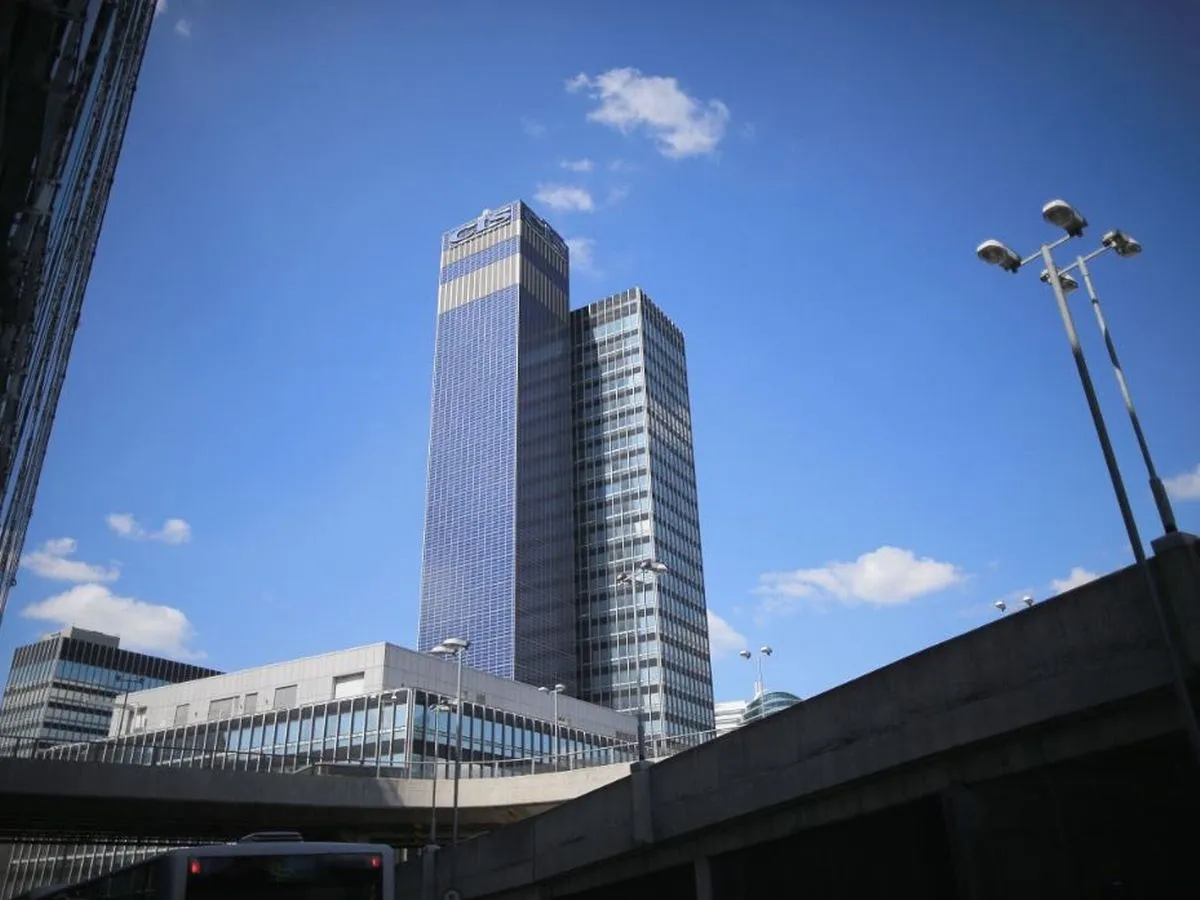
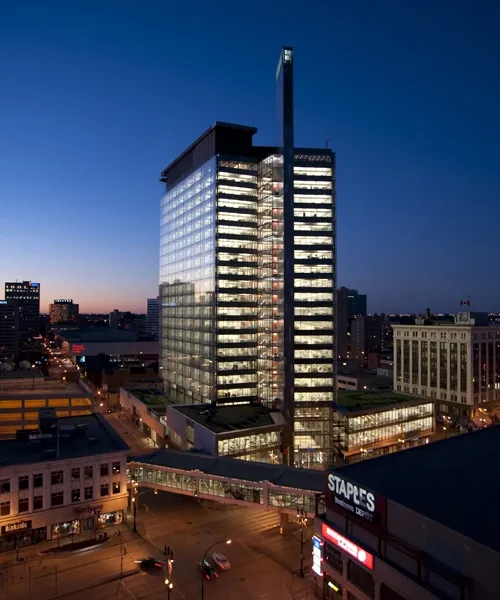
10. Manitoba Hydro Place, Canada
Manitoba Hrdyo Place is well-known for its self-renewable water power systems; which is designed to respond to the changing weather conditions by adjusting insulation and humidity levels in the building.
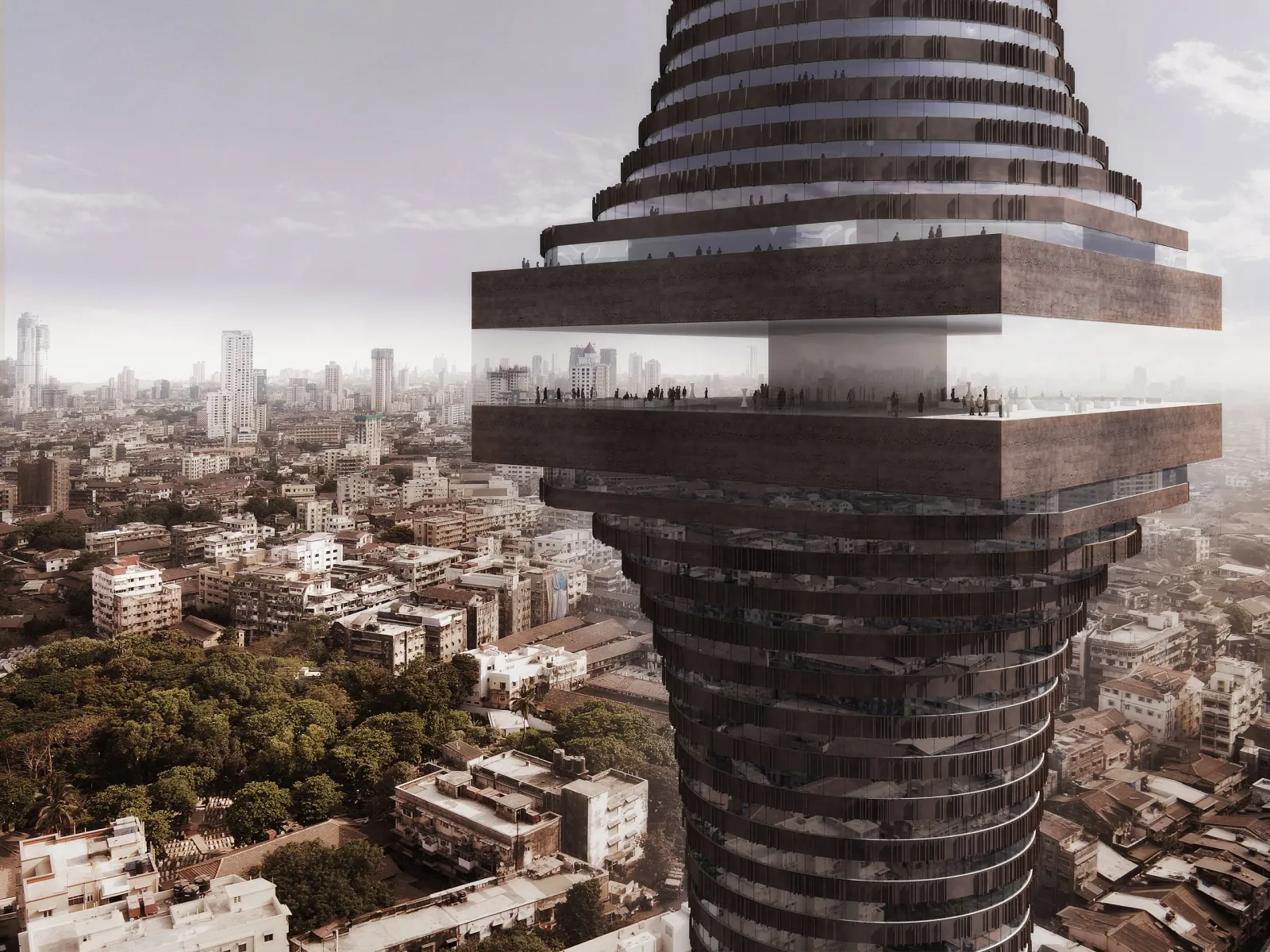
11. India Tower, Mumbai
This structure is built by the best luxury interior designers in Mumbai which symbolizes India's move towards sustainability. The design of this tower aims to make optimum use of rainwater, sunlight, and natural ventilation.
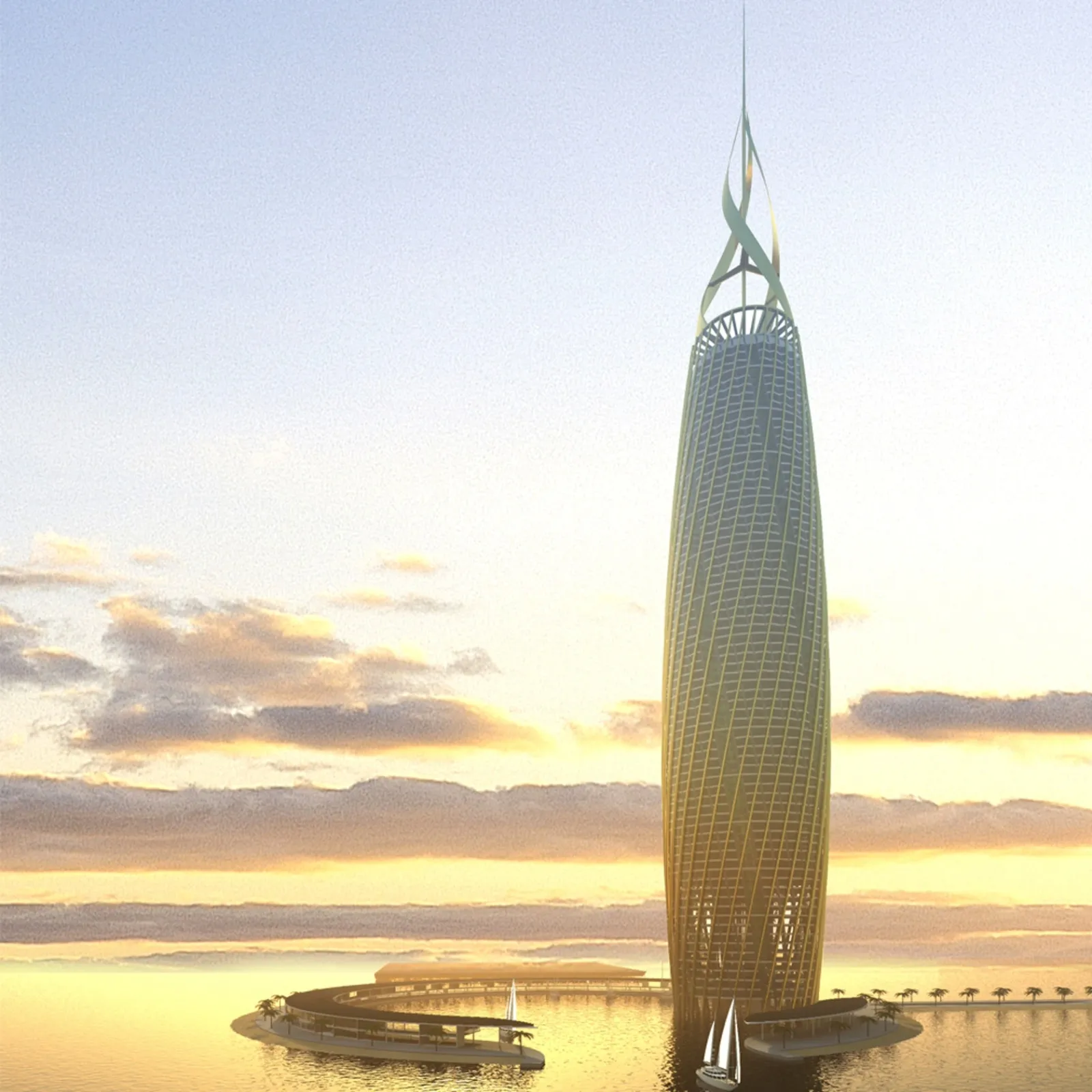
12. Burj Al-Taqa, Dubai
The Burj al Tala also known as Dubai's energy tower was a proposed building whose construction was aborted owing to the financial crisis. This proposed project included a 200ft wind turbine and numerous solar panels to it.
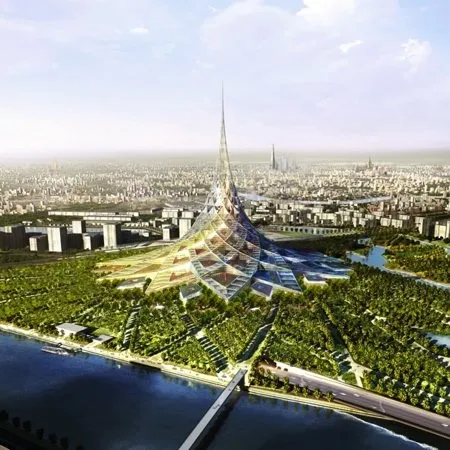
13. Crystal Island, Moscow
The Crystal Island in Moscow is proposed to be the world's largest building with a floor area spanning across a sprawling 27,000,000 square feet area. This proposed building will feature a 'second skin' which will act as a thermal buffer which would open during summers to increase ventilation in the building and will close during winters.
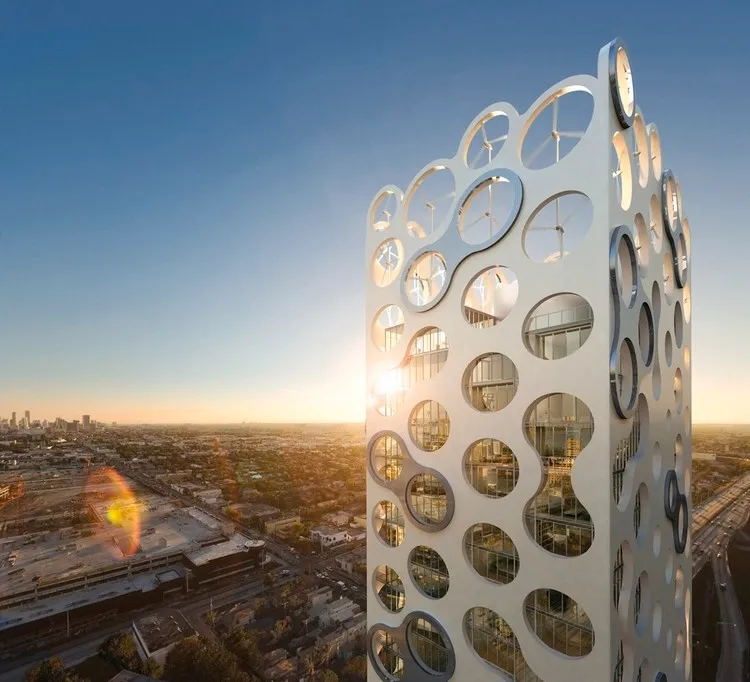
14. Cor, Miami
The Cor building in Miami features bubbles that provide enclosures for wind turbines and garden terraces. It is designed to be a highly energy efficient building.
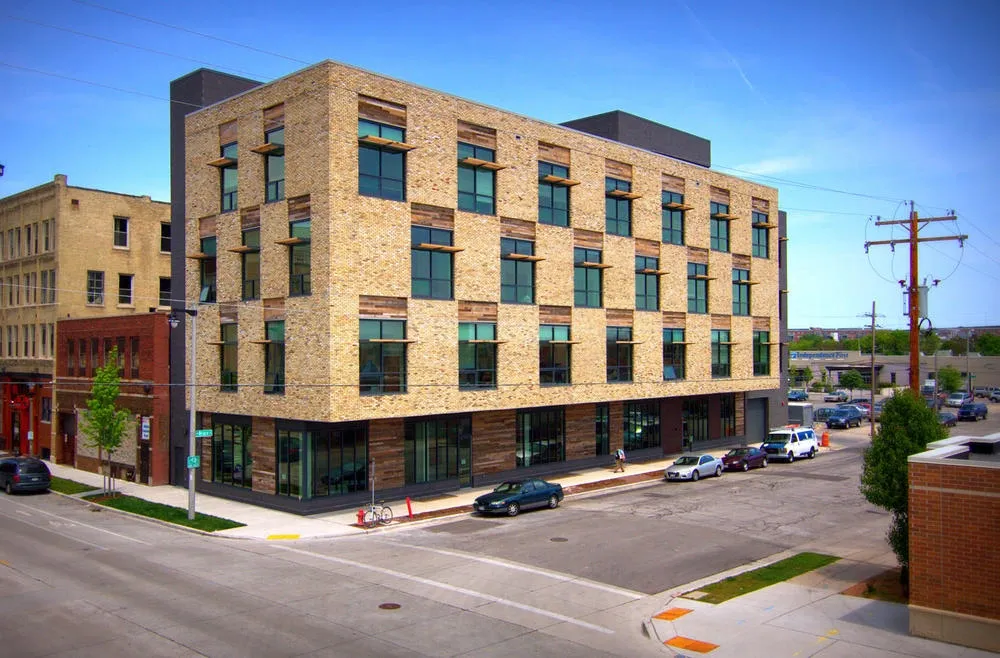
15. Clock Shadow Building, Wisconsin
Developed on a brownfield site in Wisconsin with soil at that location unsuitable for construction, this building stands the test of time today. It makes use of land that would otherwise be wasted, this building is supported by geothermal systems.
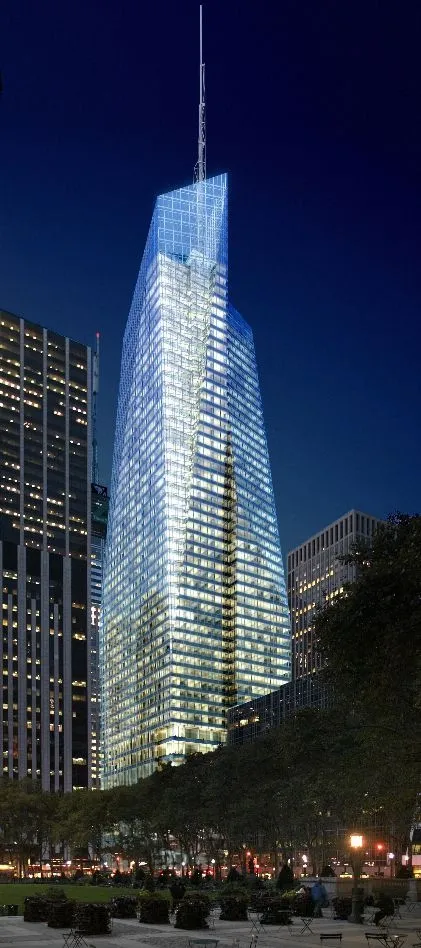
16. Bank of America, New York
The accumulated wastewater and rainwater in this building can be reused in this building. The whole structure of this building was built using renewable material, and the windows are designed to let into the building as much natural sunlight as possible.
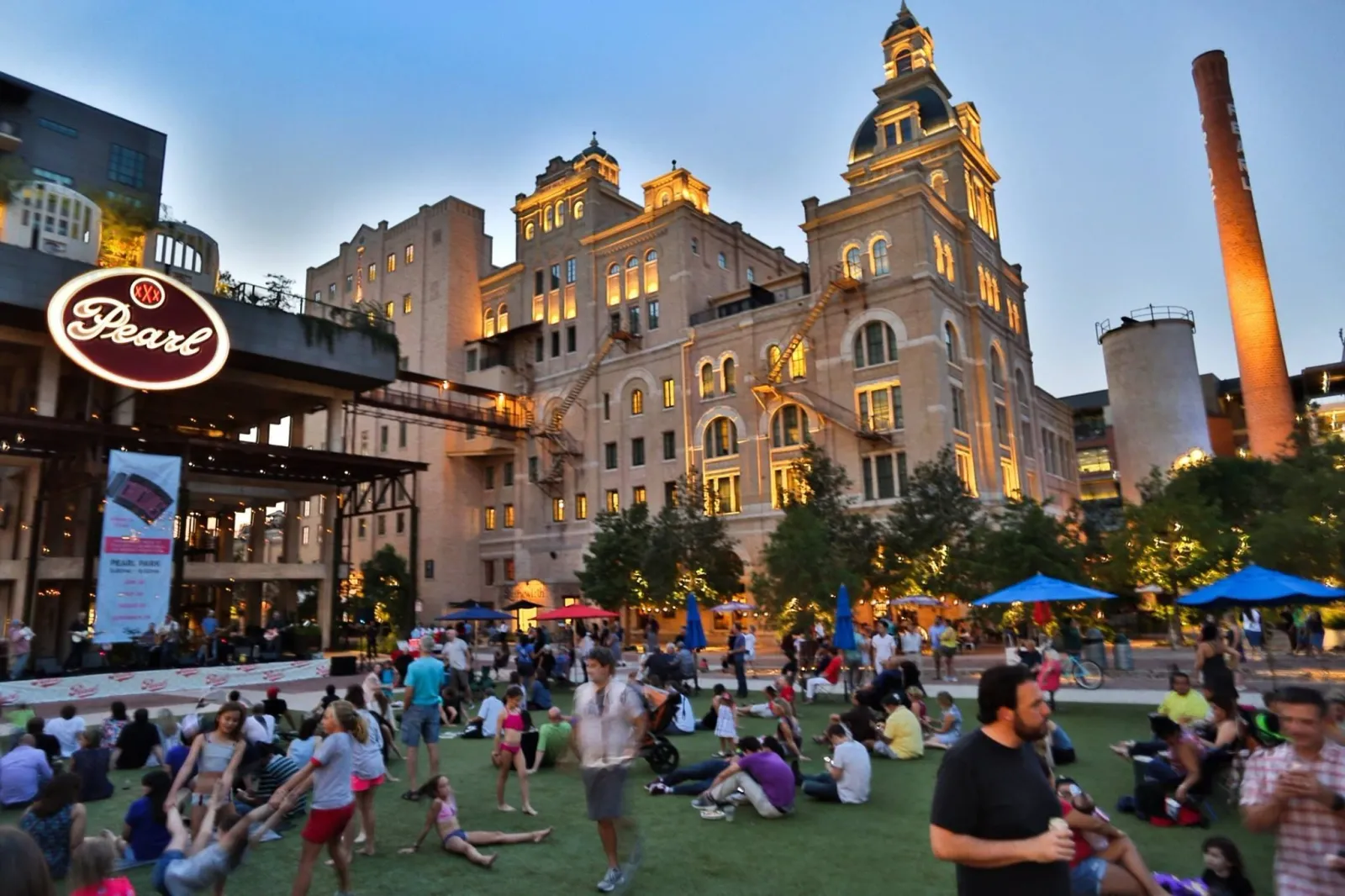
17. Pearl Brewery, Texas
The Pearl Brewery building in Texas is a recipient of a gold LEED award, owing to its ingenious cooling systems that direct the flow of air through the building. This building uses recycled rainwater for irrigation.
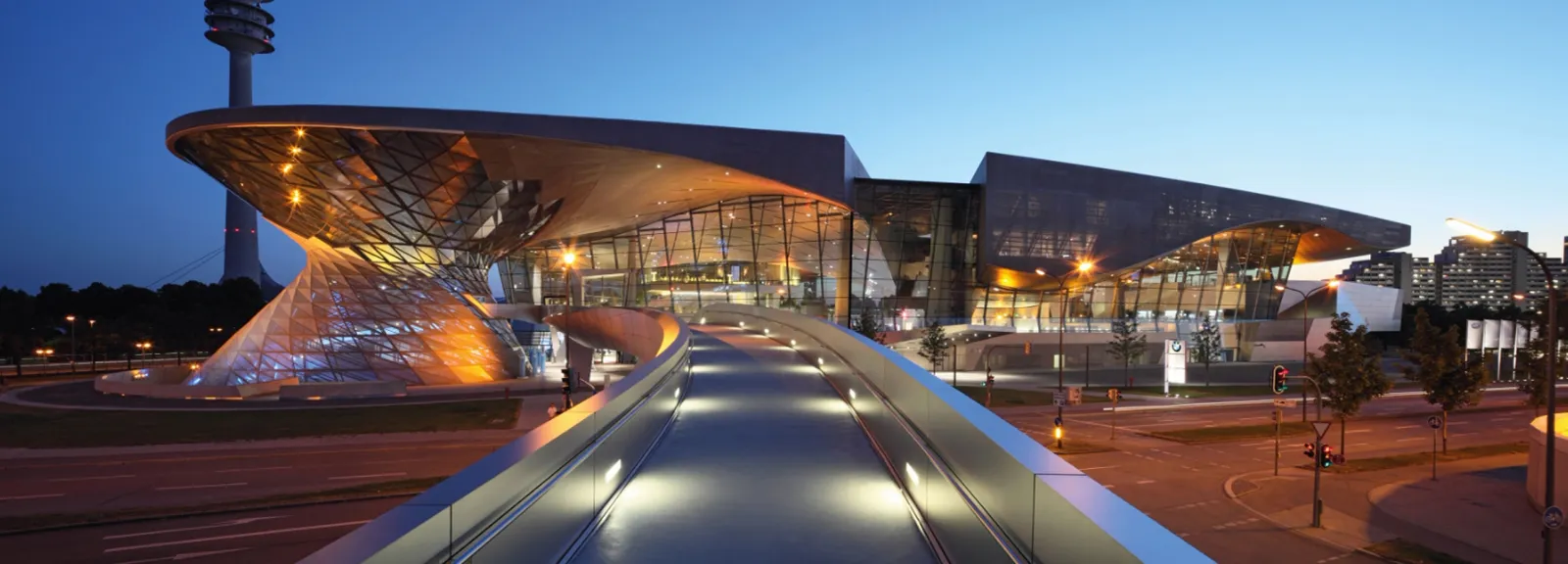
18. BMW Welt, Munich
The BMW Welt in Munich supports a roof covered in a photovoltaic array that produces more than 824lWp of energy.
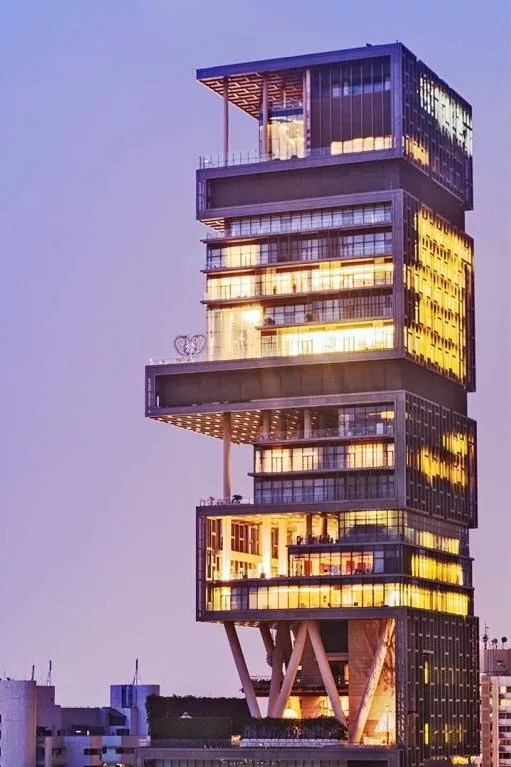
19. Antilla Building, Mumbai
Antilla Building is Indian businessman Mukesh Ambani's home. The magnum opus construction acts as a carbon filter to the city of Mumbai which is also covered with rooftop gardens
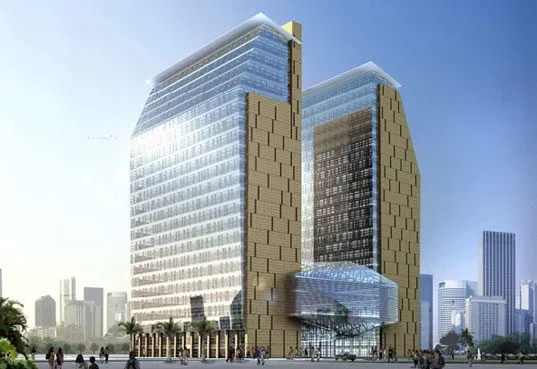
20. DuBiotech, Dubai
DuBiotech is a research and biotechnology park based out of Dubai. It is designed in such a way that it maximizes daylight usage and regulates internal temperature within the building.
More on this: Sustainable interiors